
Attracting Birds to Your Garden
I don’t always have the time or the energy to go out looking for birds to photograph all the time, but I still want my camera fix as often as possible. So, I have a cunning solution. I get the birds to come to me!
Along time ago I posted how someone challenged me by saying you can’t get the birds to do what you want, they are wild creatures, and I immediately started looking at ways to make it happen. To get the birds to pose where I wanted them to, of their own free choice. I can smugly say that I achieved what I set out to do.
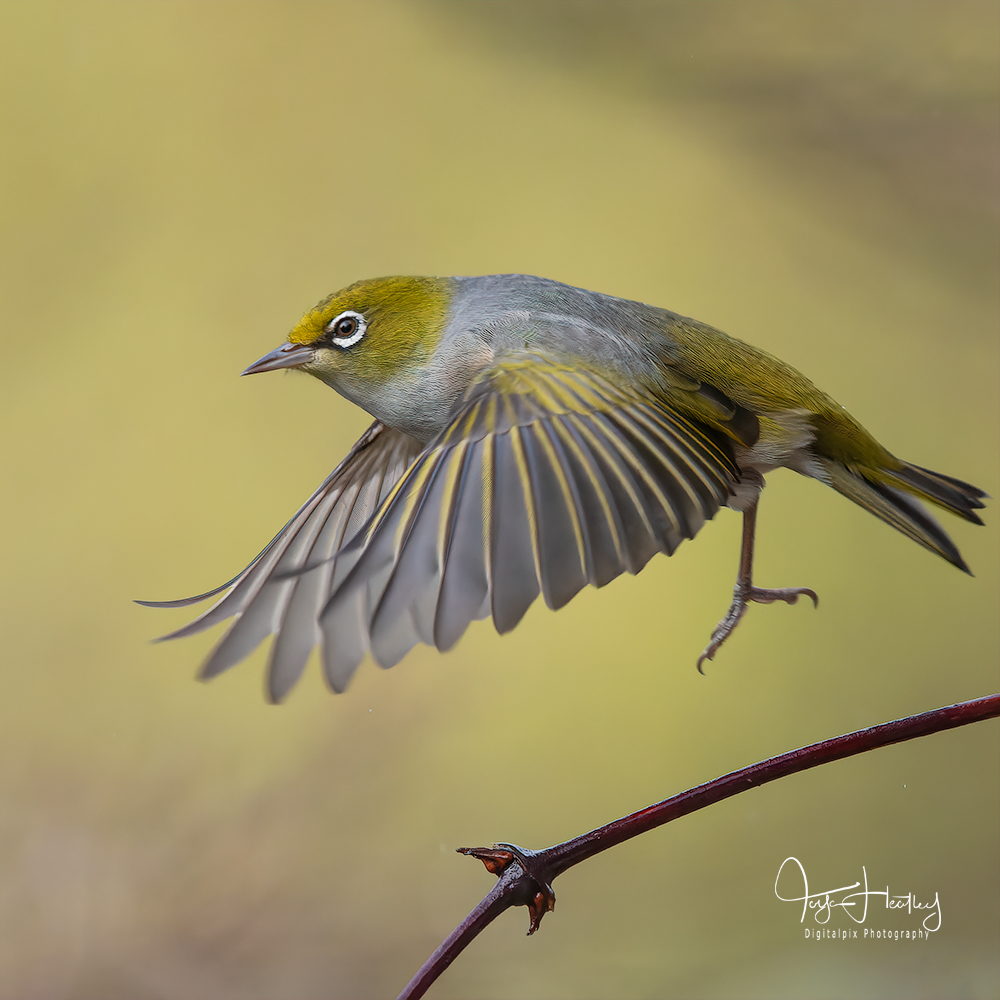
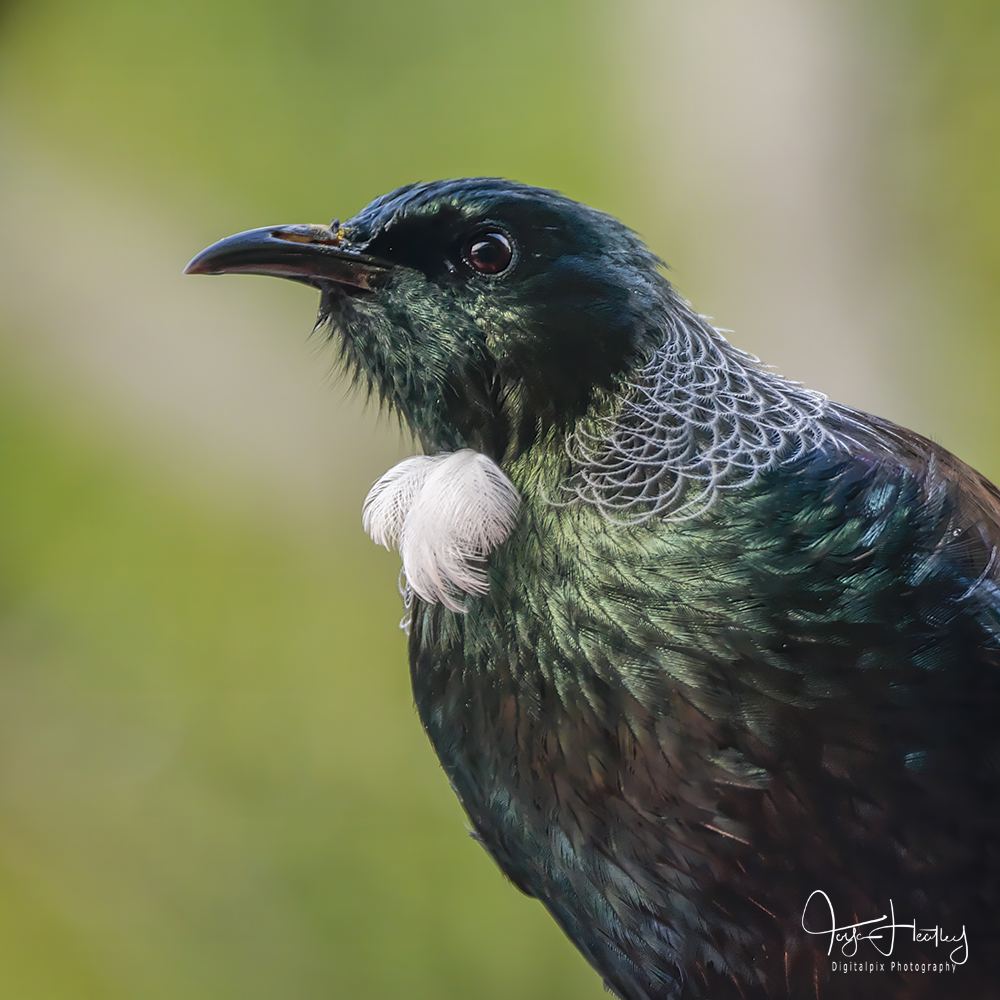
We started with a sugar water feeder which we set up in the winter months when natural food is not so easily available for the nectar feeding birds. It is a simple structure with a tray for the sugar water and branches cable-tied to it for perches. This is on a small post that has been concreted into a large plastic plant pot, allowing it to be moved about easily. This brought tui, silvereyes and a single bellbird into the garden.
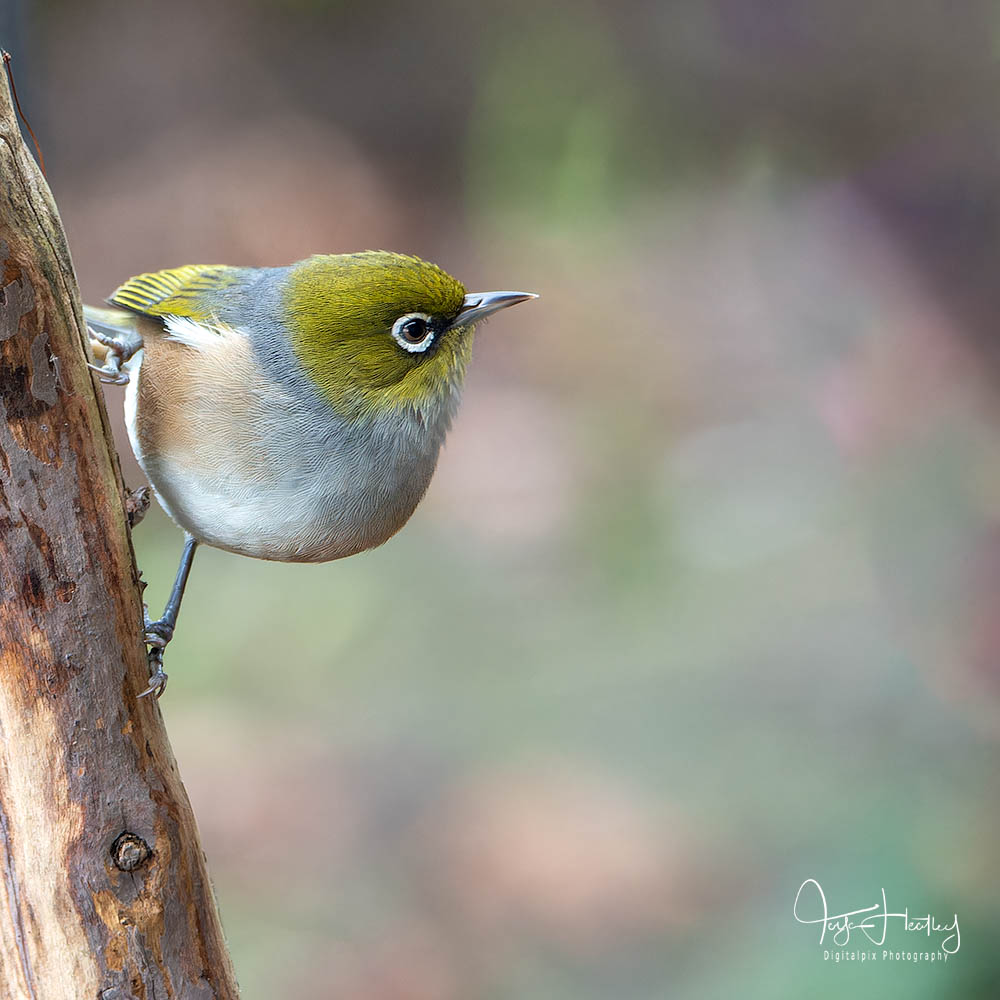
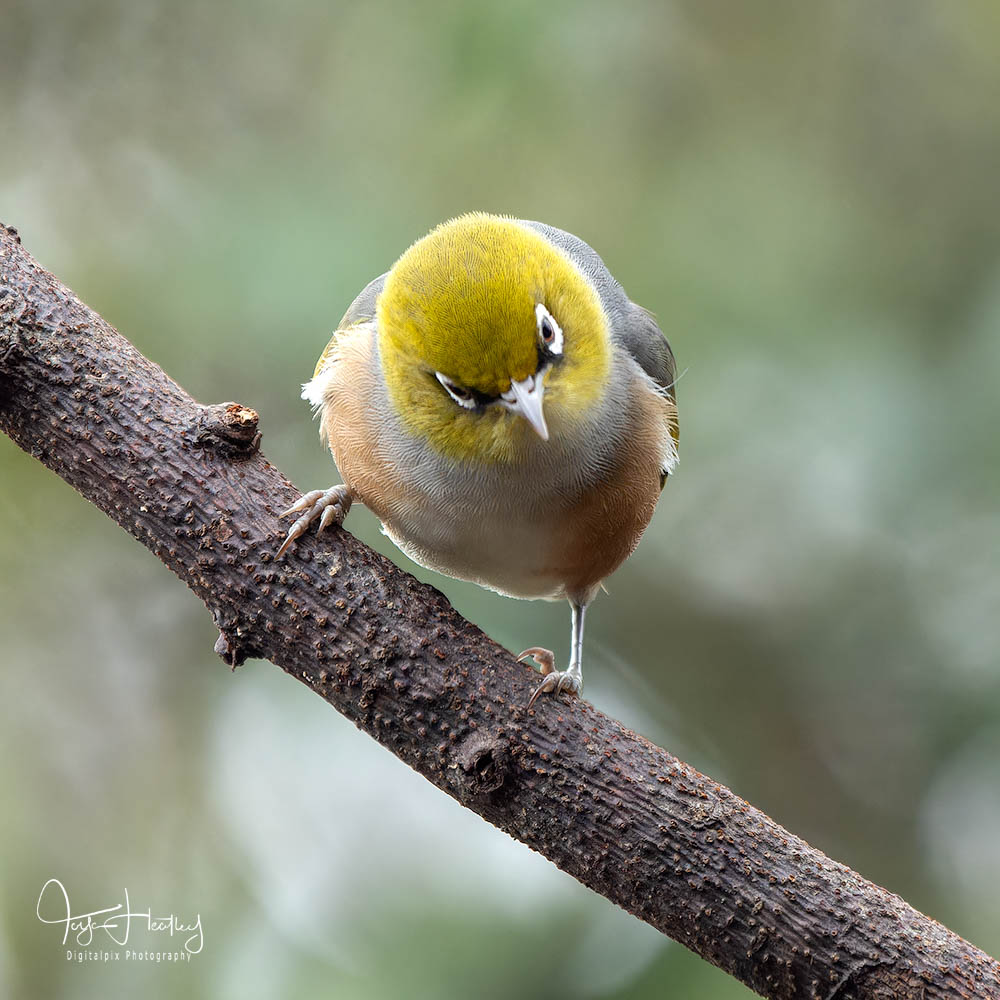
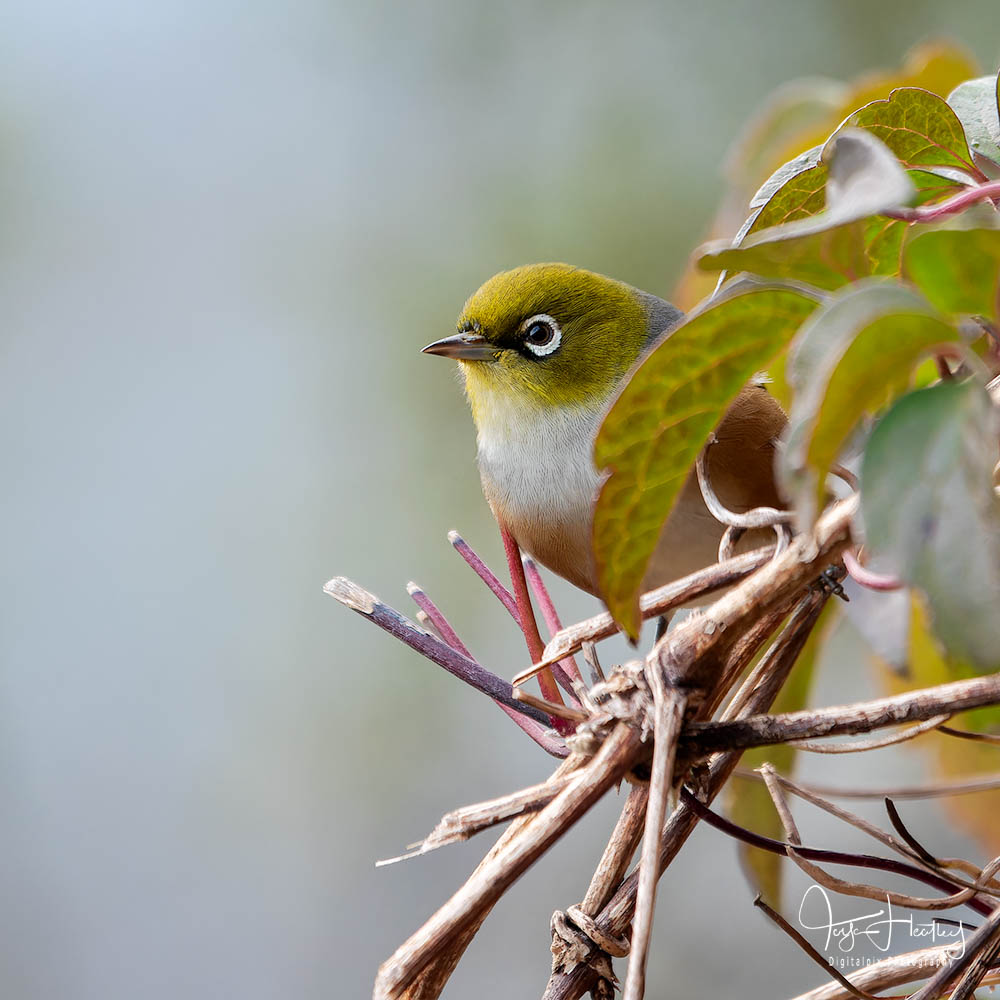
From time to time, I change up the branches to give something new for the birds to perch on in the photos, and I move the feeder about to get the best light I can. We did have to take care that the feeder was not out in the open as we had a NZ falcon visit the feeder and help itself to a silvereye. It would have seemed like a banquet platter for the falcon. We removed the feeder for a time, and it didn’t return. Now we make sure there is no clean flight space for the swoop and grab tactic of the falcon.
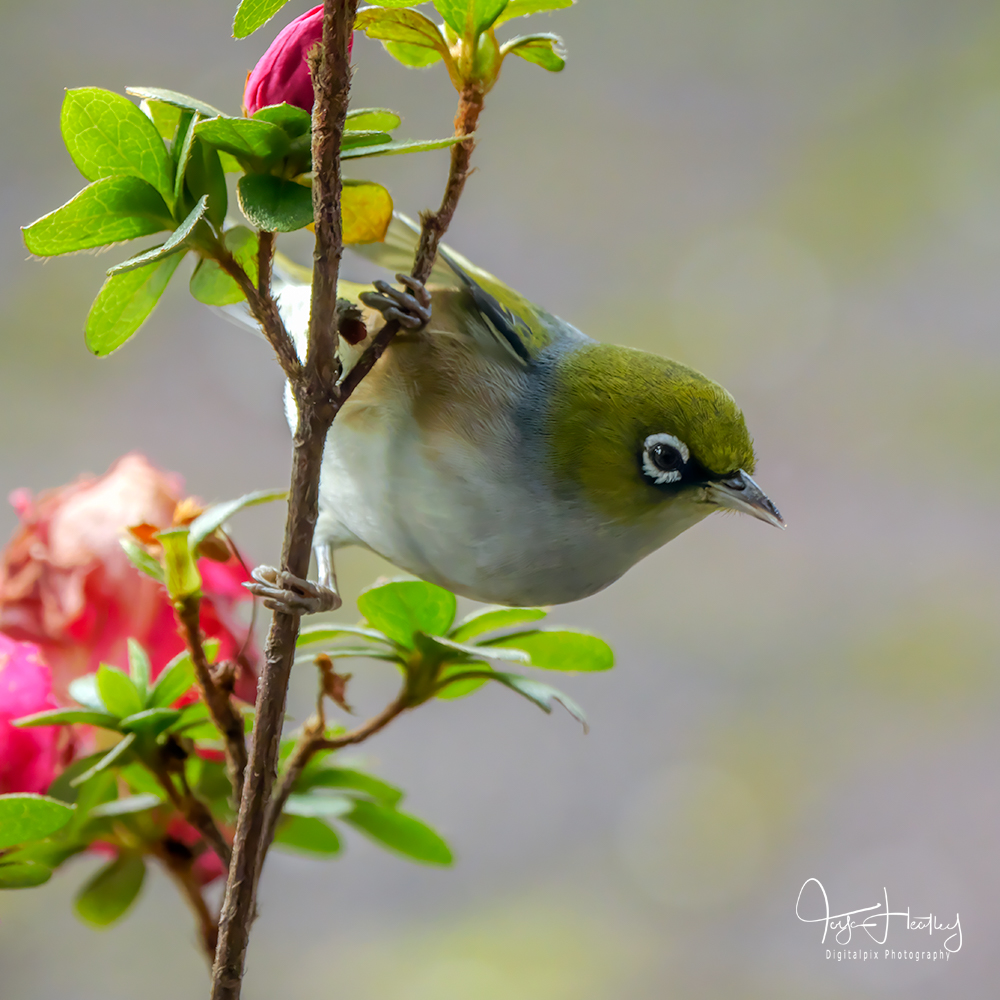
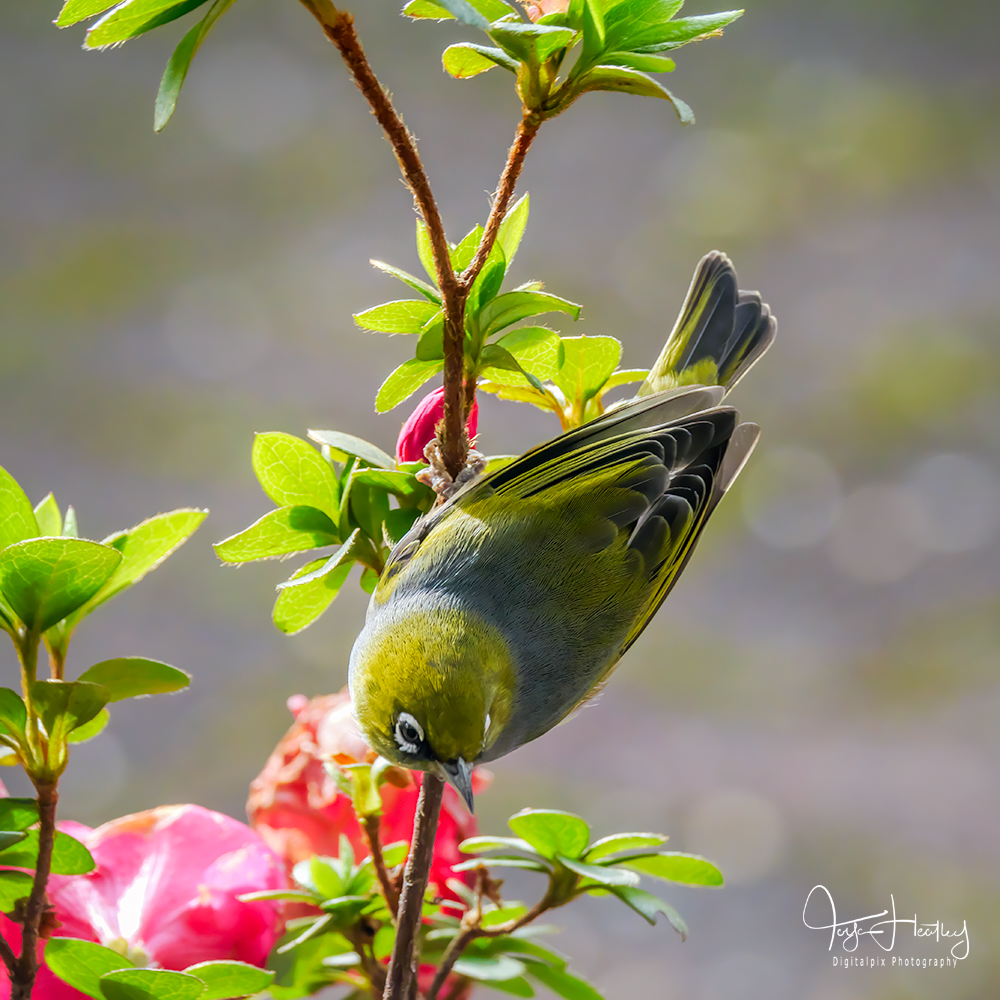
We also purchased some hooks to hang bananas and oranges to hang in the trees, with windows cut in their skins, for the silvereyes to feast on. It wasn’t long before we also noticed that the tui also enjoyed both banana and orange too. Feeding the birds fruit can get expensive, however most supermarkets will sell you damaged or bruised fruit for a cheaper price if you ask for it.
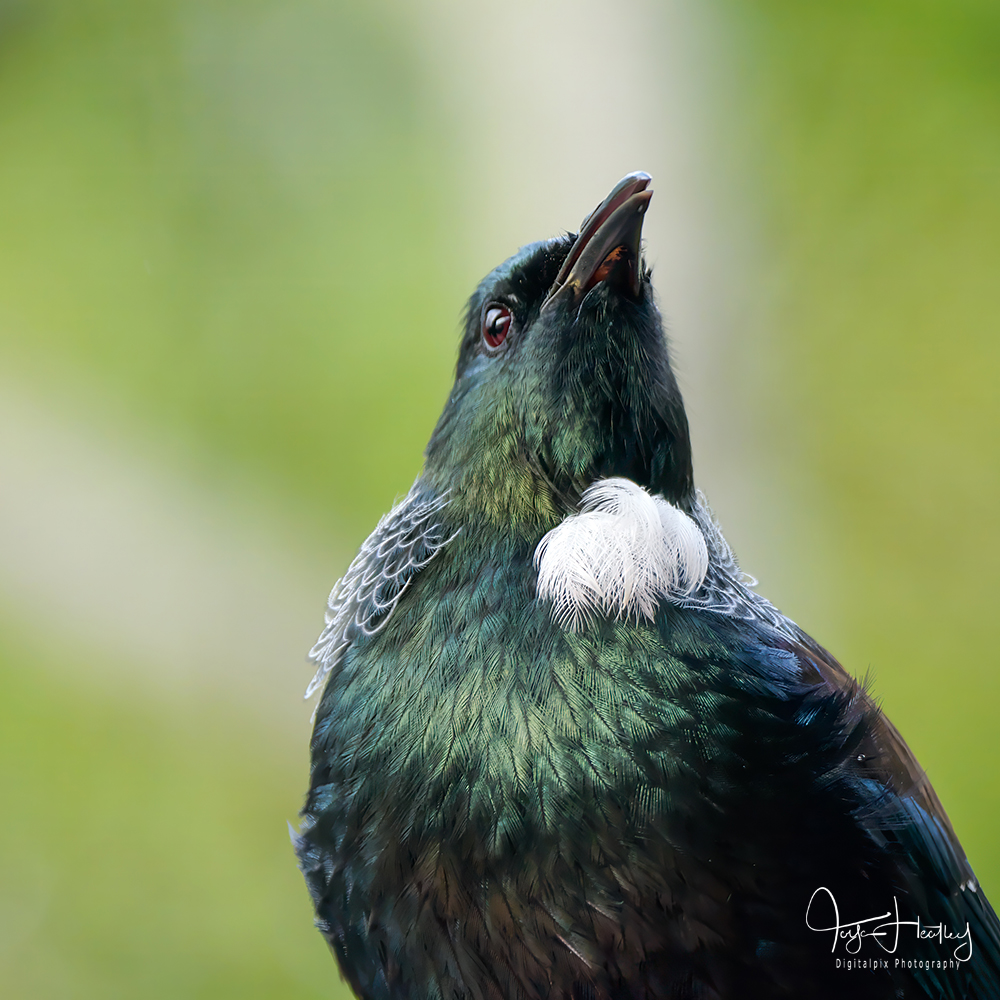
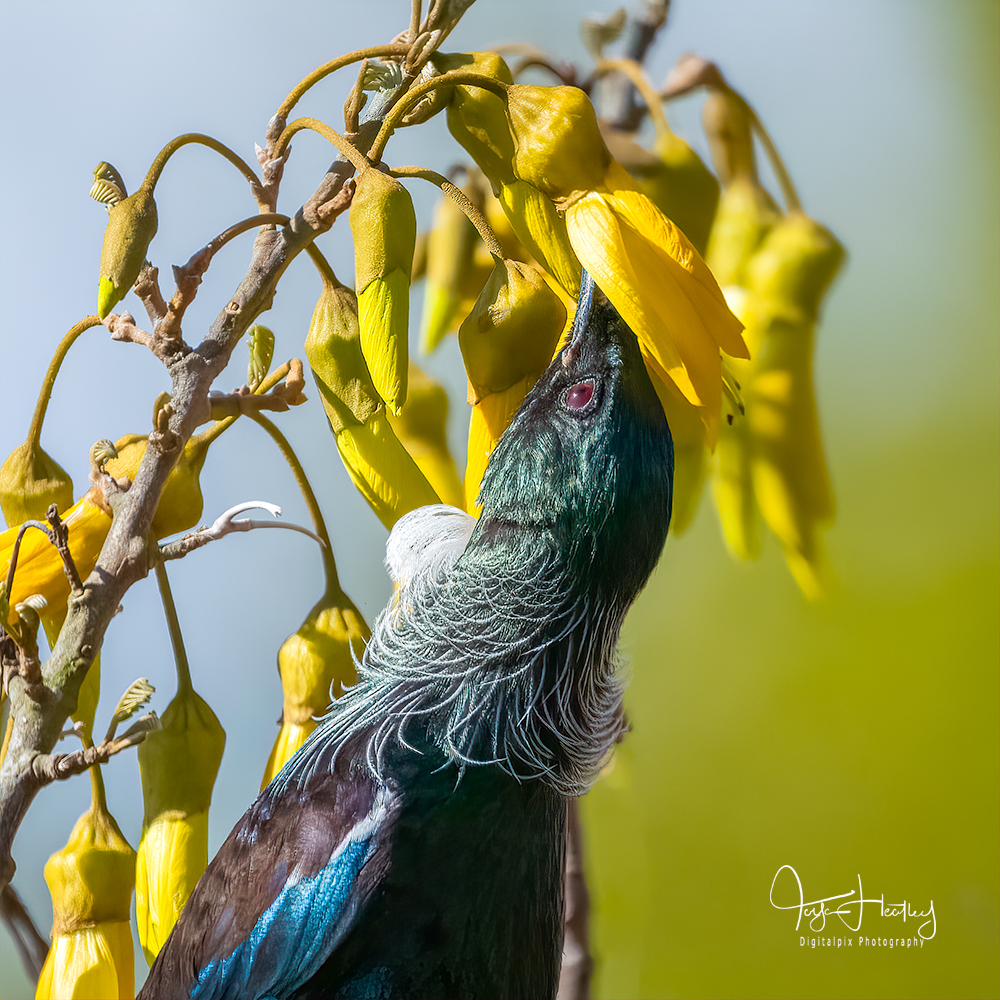
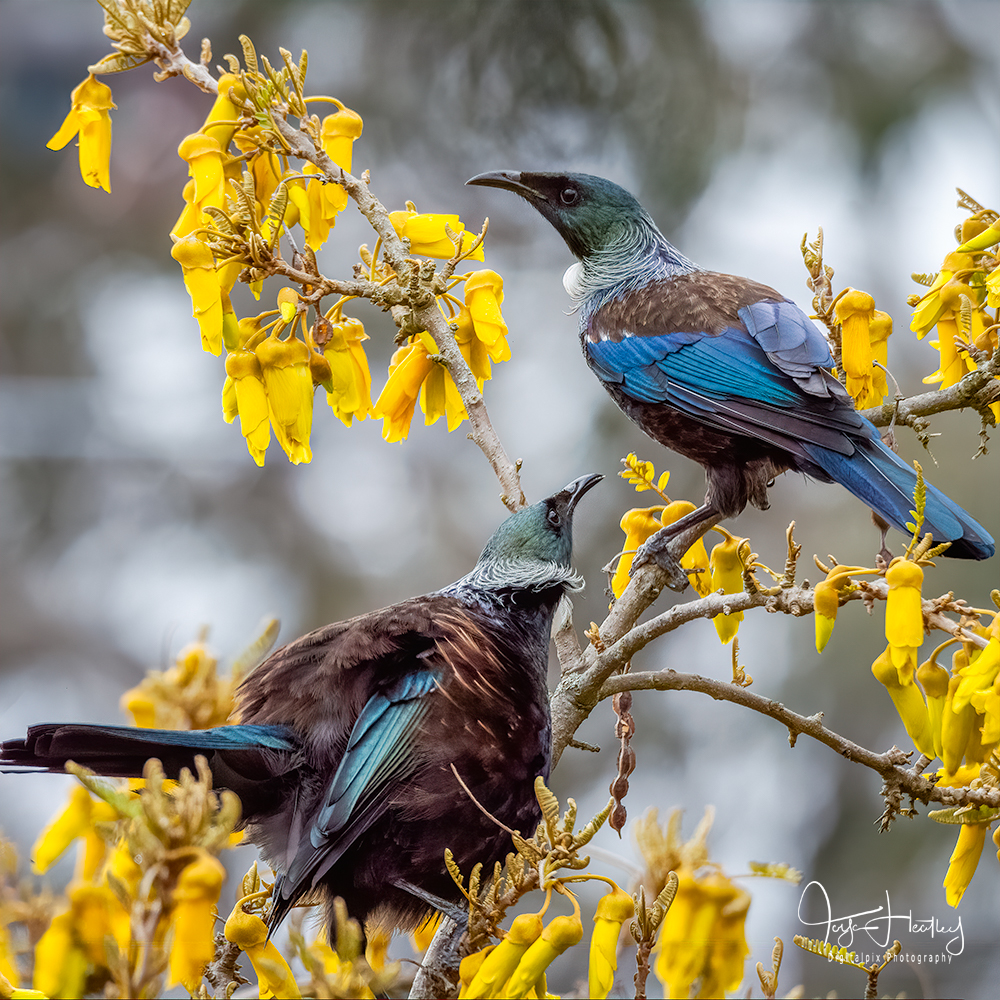
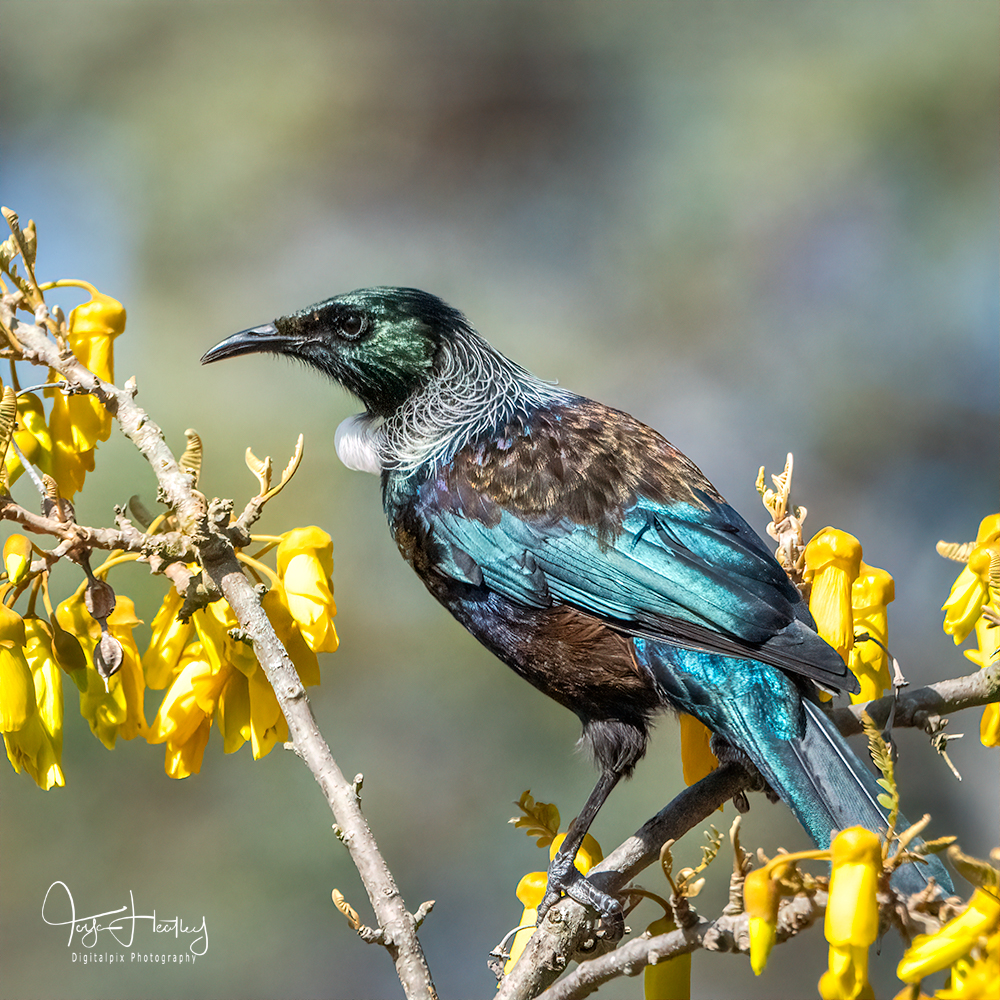
Those two options were used in winter but come springtime, the feeder was retired for the year. It is important for the birds to find their own food when it is in abundance. This gives them a varied and natural diet. Where we live there are kowhai trees everywhere! They all seem to flower at the same time, and I never have to go far to be able to photograph the tui in them.
We have two kowhai trees in our garden of a different variety to the others in our area, that flower a little later. This means when the other trees are about finished, our trees are the only local trees flowering, and we get a lot of tui visiting around this time.
More recently, I have purchased some tree fuchsias to plant around our property in the hope of encouraging more bellbirds. They especially like the fuchsia flowers and can often be seen with blue pollen over their beaks when they have been feeding off the trees. Tui are also very fond of the tree fuchsia flowers so they will be spoilt for choice when the tree fuchsia and kowhai are flowering at the same time.
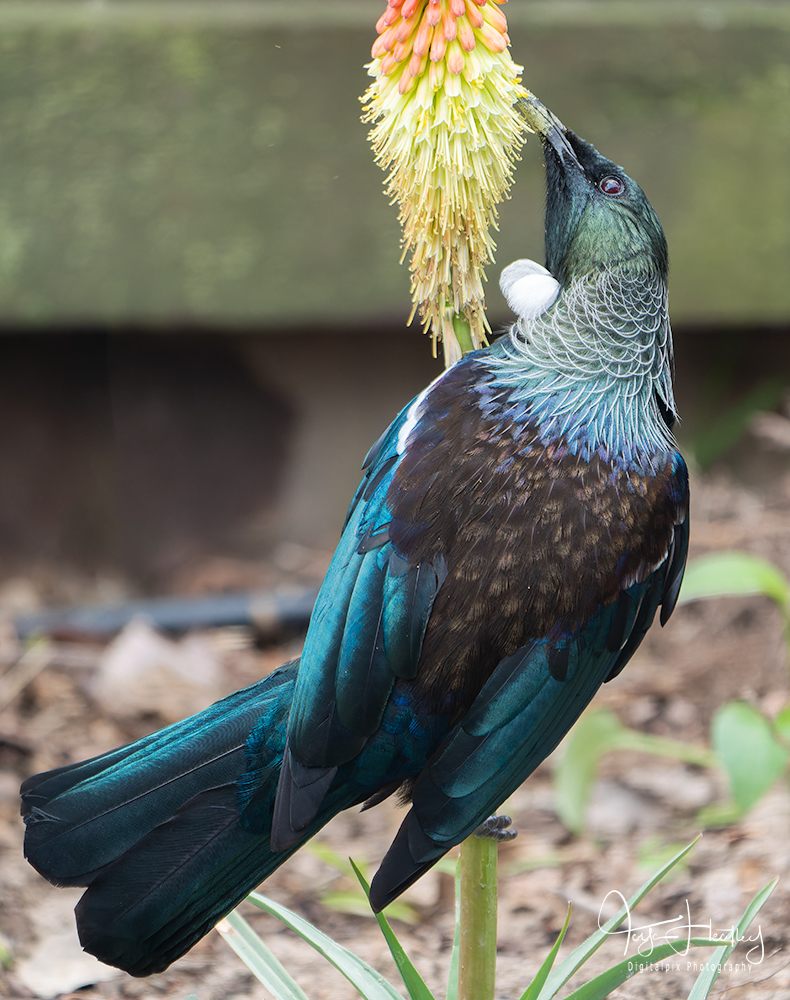
Along with the tree fuchsia, I have also purchased some red-hot pokers which are also loved by silvereyes, tui and butterflies. I have planted them around the edges of the garden close to the house so that I can easily photograph the birds on them through the window. To my surprise, within two weeks of planting the red-hot polers, the tui found them and has already started feeding on the flowers. The tui jumped from plant to plant having a feed of each of them before heading back to the kowhai flowers.
Natural food sources are best for the birds and if you have the space, planting trees, shrubs and perennial plants that the birds feed on are the best options of attracting birds to your garden. The best thing is you know that each year the birds will come back.
There is one more item that is essential to your bird garden – a bird bath with clean water in it. I place a few rocks in the bird bath, so the smaller birds can wash without going too deep. This year my bird bath has also attracted fantails. If we are to have the long hot dry summer that is being predicted, then a water bath is a must. It doesn’t need to be an expensive one, just a tray or dish of water preferably up off the ground to give protection from cats. There is also an opportunity to place strategic perches around the bird bath for the birds to land on if they are waiting their turn in the water. A perfect spot to capture images of them.

If you are reading this article from anywhere other than New Zealand (where I live), then I hope you find some of my ideas useful, even if you have to modify them to suit your local birds and plants. Water never goes amiss when it is hot and provided there are plenty of perches for the birds to land on it is easy to create your very own outdoor wild bird studio.
All the images on this page were photographed through my dining room window.